Home Battery Backup: What Stays On When the Grid Goes Downs
It’s a Tuesday night in November. The wind picks up, the lights flicker once, and then the whole street goes dark. Somewhere in the house, a phone starts hunting for a signal, and someone goes looking for the good flashlight.
If you live in Bethesda, Potomac, McLean, or anywhere nearby, you know this moment. What most people don’t know is how much of it is optional. A well-designed home battery system doesn’t try to power everything. It powers the right things, automatically, and it tells you what’s happening while it does.
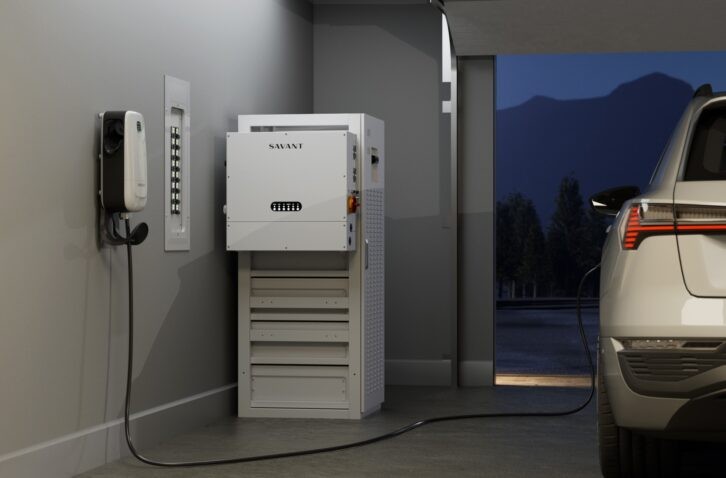
Here’s how that works with Savant Power, and what to decide before the next storm.
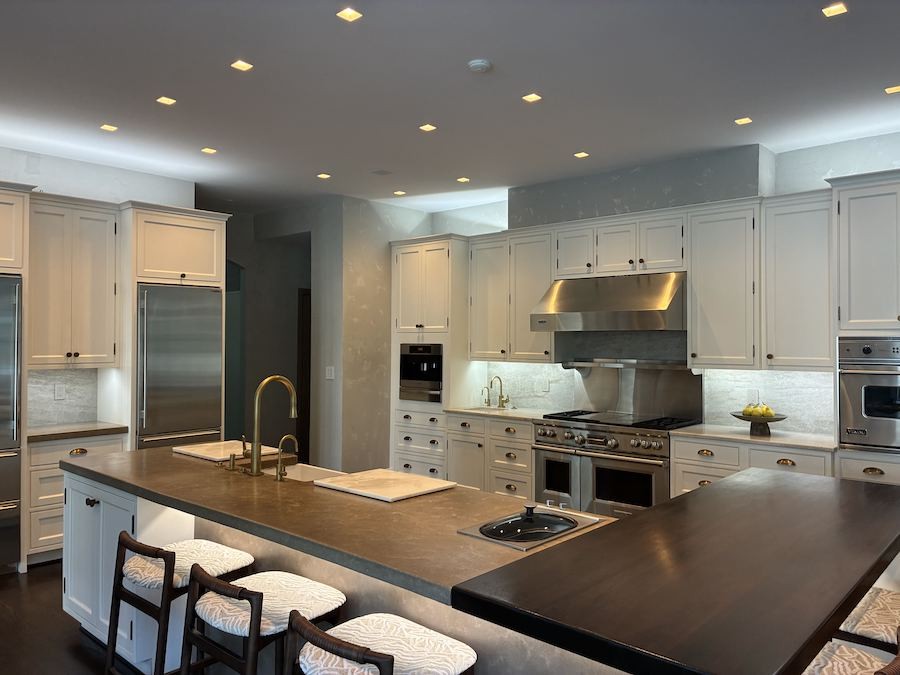
Layered lighting and the right fixtures give a room its shape.
A room can have plenty of light and still look flat once the sun goes down. The finishes and furniture look great by day, but then lose their shape at night. A single bank of recessed fixtures spreads brightness evenly. So, there’s no layering to create depth, and the lighting that feels too bright for the TV somehow isn’t bright enough for chopping on the kitchen island.
Fall only makes the problem more obvious, because evenings in the D.C. area start earlier every week, and you lean on those fixtures for more hours. Better lighting comes from placing fixtures at different heights and managing them easily via lighting control. Here is how to make that lighting magic happen.
Lower costs and cooler fixtures, with a mood for every hour
Most people switch to LED fixtures to lower their energy bill, and it works. But the bill is only one part of what LED offers. Older lighting also has a shorter shelf life, and households are stuck with the same lighting from sunrise to bedtime.
LED bulbs and fixtures last for years and run cooler. Tunable LED fixtures go a step further by shifting from a bright morning white to a warm evening glow. Pair them with lighting control, and that change happens on a schedule or at the press of a button on a keypad or a voice command.